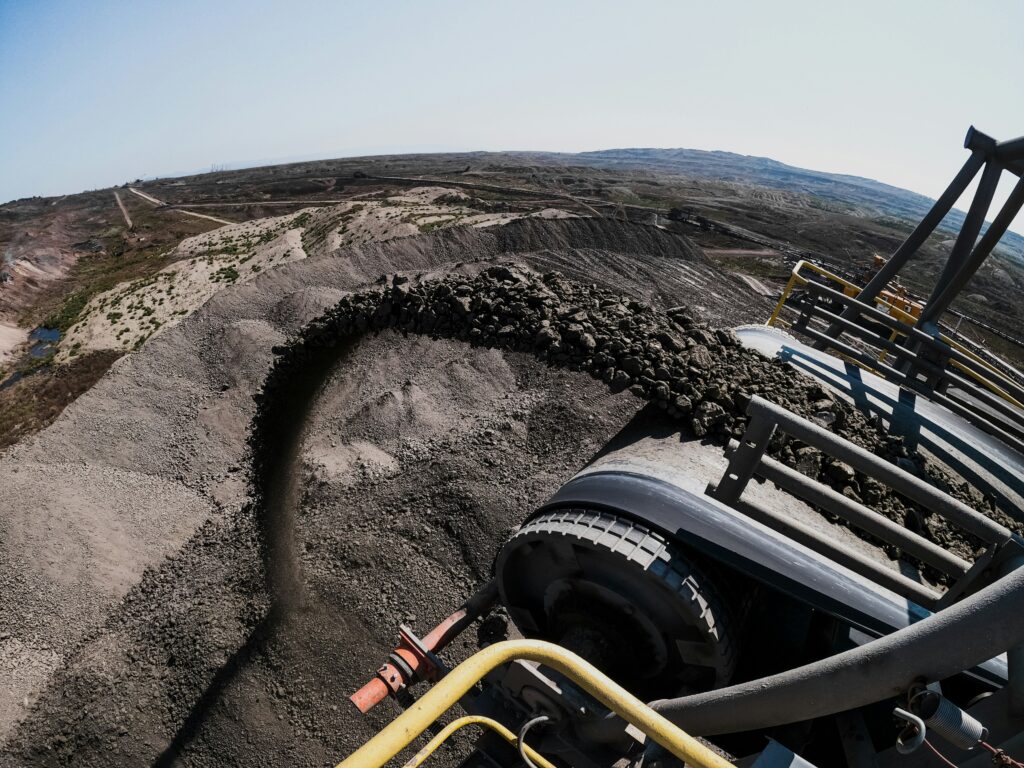
Existing data structures were fragmented, with inconsistent definitions and limited alignment to recognised industry reference standards.
This fragmentation created significant challenges in data integration, interoperability, and governance, particularly as the organisation worked toward alignment with the OSDU Data Platform model. The absence of a coherent schema and clearly defined relationships between geological data elements introduced risks to data quality, traceability, and analytical reliability within the Mining and Resources sector in Australia.
Qmark Solutions provided Solution Architecture leadership with a focus on domain-aligned data modelling and interoperability. A scalable data schema was designed in alignment with the OSDU Data Platform reference model, based on detailed analysis of rock sample data elements and relationships.
The architecture defined key constraints, dependencies, and integrity rules to ensure accurate data management and lifecycle control, while enabling seamless integration across upstream and downstream systems. Governance principles were embedded to strengthen consistency, traceability, and stewardship, with a future-proof design to support evolving exploration and analytics needs.

During the Pre-FEED phase, establishing a clear architectural foundation was critical to ensure that the organisation’s digital ambitions were aligned with operational realities.
The programme required the integration of business objectives, digital capabilities, and emerging technologies such as Digital Twins and predictive maintenance. A structured architecture approach was essential to provide clarity on scope, guide technology selection, and reduce cost and delivery risks ahead of the FEED phase.
Qmark Solutions provided Enterprise Architecture leadership to establish a structured digital foundation aligned with the Mine 5.0 vision. Through design thinking workshops and stakeholder engagement, the team translated business drivers into digital capabilities and developed high-level architecture models to guide the programme. Key technologies, including Digital Twin, Predictive Analytics, Asset Performance Management (APM), and Connected Worker platforms, were prioritised, while collaboration with engineering partners supported the Digital Design Philosophy Report and Class 3 cost estimates.

Legacy systems and fragmented processes were limiting agility and innovation.
Qmark Solutions delivered a technology strategy aligned to business priorities, defining target architectures and implementation pathways. This included identifying integration opportunities, establishing governance frameworks, and enabling more effective use of data and digital platforms.

The organisation needed greater visibility across systems and processes to improve performance and decision-making. Qmark Solutions partnered with key stakeholders to assess current operational capabilities and identify opportunities for improvement. Through workshops and structured analysis, we developed a strategic roadmap focused on process optimisation, system integration, and data-driven operations.

Qmark Solutions established a set of enterprise and solution architecture templates within the existing EA tool, improving consistency, governance, and the overall quality of architectural outputs. We also developed reusable standards and artefacts to support better solution documentation, strengthen business-to-technology traceability, and align delivery teams to enterprise architecture best practices.

Qmark led an options analysis of the Maintenance Management System (MMS), engaging key internal and external stakeholders through structured interviews and workshops. This resulted in a clear recommendation to launch an MMS enhancement programme, focused on system integration, process optimisation, and stronger alignment between maintenance planning, work management, and procurement.
